
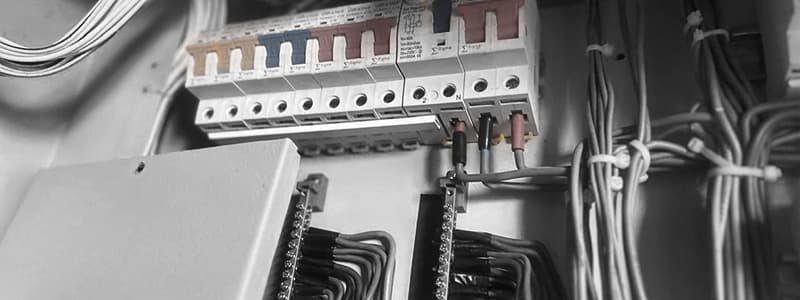
What Are Electrical Prescribed Zones?
Electrical prescribed zones, also known as electrical safety zones, are specific areas within walls where electrical cables are permitted to be installed.
Since most cables are concealed inside walls, it’s crucial to know these zones before drilling, nailing, or making any wall modifications. Understanding prescribed zones helps prevent electrical accidents and allows you to predict wiring layouts safely.
Types of Electrical Safe Zones
According to electrical standards, there are four main types of safe zones in walls:
- Vertical Zones – Directly above or below switches, sockets, or other electrical outlets
- Horizontal Zones – Run horizontally from switches or sockets, at the same height.
- Corner and Ceiling Zones – Within 150 mm of wall corners or ceilings.
- Floor and Ceiling Cavities – Permitted only if cables are properly protected or clearly marked.
These zones are extremely important because they help electricians, interior designers, and architects during future repairs or modifications involving walls. They also ensure compliance with BS 7671 wiring regulations, which define the standards for safe electrical installations in buildings.
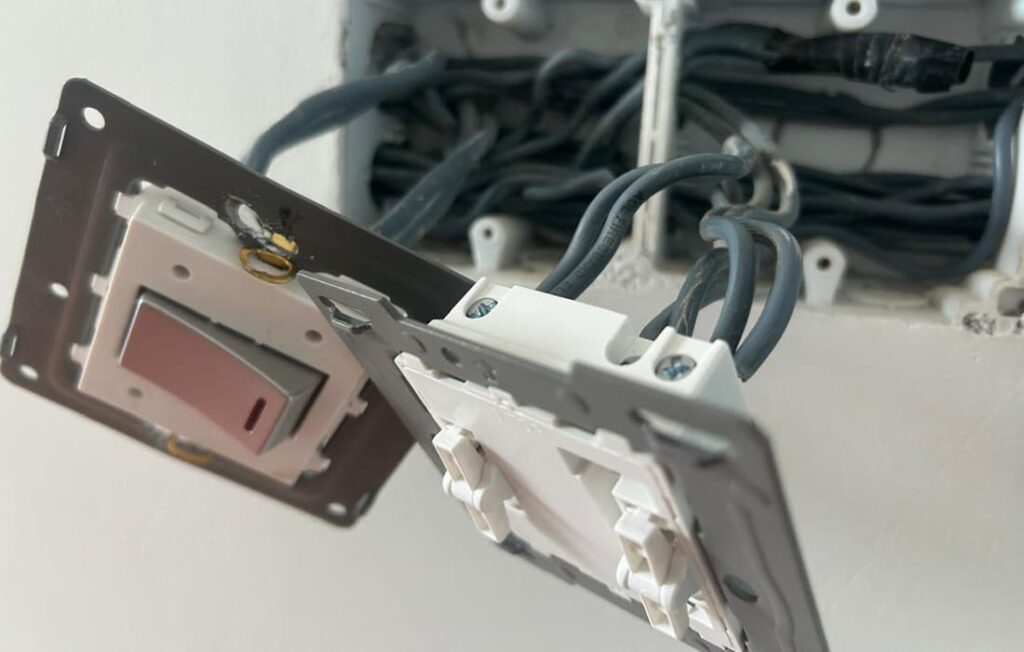
Why Electrical Prescribed Zones Matter
Understanding and following electrical prescribed zones is not just about compliance — it’s about safety.
These zones are carefully defined to protect you from hidden electrical hazards when drilling, nailing, or renovating walls. By respecting these boundaries, you can prevent electric shocks, costly cable damage, and potential fire risks.
Safety begins with awareness — knowing where it’s safe to work and taking precautions before you act.
Roles and Responsibilities
For every professional involved in a building project, these zones serve a clear purpose:
- Architects should design buildings with prescribed safety zones in mind, ensuring layouts allow for safe and compliant wiring routes.
- Electricians must ensure all cables are installed within the correct prescribed paths
- Interior designers should plan fittings, artwork, and furniture layouts carefully to avoid damaging hidden electrical lines.
Conclusion
Electrical prescribed zones are more than technical rules — they are safety boundaries that protect both people and property.
When everyone understands and applies them, every project becomes safer, smarter, and fully compliant. Whether you’re designing, wiring, or decorating, always remember: safety starts with awareness.