

Sri Lanka is bathed in daylight almost year-round—but are we truly making the most of it?
Daylighting is the intentional use of natural sunlight through windows, skylights, and openings to illuminate building interiors. It serves as a direct substitute for electrical lighting, reducing energy consumption, while also positively affecting the mood and wellbeing of occupants. Properly controlled daylight enhances productivity and supports our natural circadian rhythms
In Sri Lanka, daylight hours are remarkably consistent, ranging from 11 hours 35 minutes to 12 hours 24 minutes throughout the year. Yet, the question remains: are our buildings designed to harness this natural gift?
Daylight harvesting should be considered from the very inception of a building. It is a collaborative effort involving architects, lighting designers, engineers, and interior designers.
Key architectural strategies include:
- Optimizing building orientation
- Strategically placing and sizing windows
- Using efficient glazing and shading devices to control light penetration
In tropical countries, these strategies are often implemented as courtyards or middle yards in houses, facades and vertical openings in hotels and commercial buildings, or wide windows and open-plan classrooms in schools—ensuring maximum natural illumination throughout the day.
Advanced computer modeling and simulations fine-tune designs for optimal light and thermal performance, creating spaces that reduce reliance on artificial lighting while strengthening the connection to the natural environment. Integration with movement sensors, light sensors, and
automated controls further optimizes artificial lighting usage. Dimming systems can address the unpredictable nature of daylight.
Daylighting analysis allows designers to predict the amount, angle, warmth, and reflection of
sunlight at different times of the day, ensuring that every space is effectively illuminated even
before construction begins.
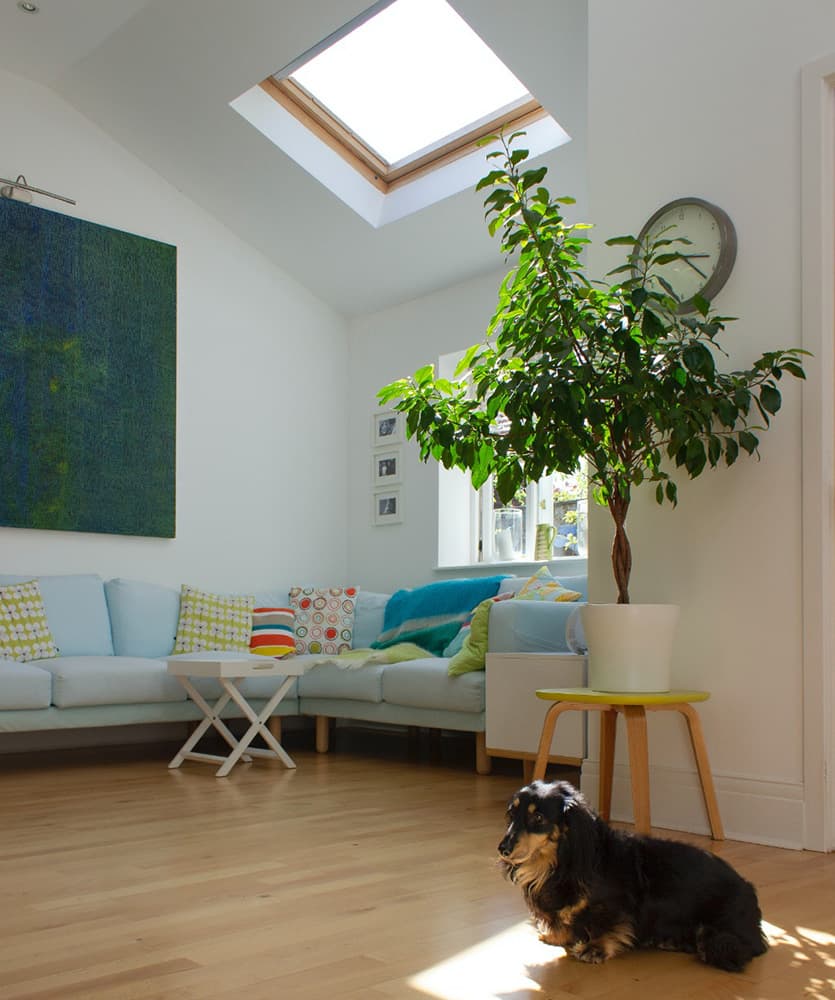
These approaches not only reduce energy costs but also create vibrant, healthy, and engaging environments. As the demand for sustainable living grows, integrating daylight into building designs is no longer merely an aesthetic or functional choice—it is a forward-thinking strategy that reflects social responsibility and aligns with national energy goals